


Credit Karma Free Credit Report and Score: A Beginner's Guide
Understanding your financial health starts with two key pieces of information: your credit report and your credit score. For years, accessing this data was often complicated or costly. Credit Karma changed that by offering a way to get your credit karma free credit report and score without needing a credit card. This guide breaks down everything you need to know about the service, from how it works to how you can use it to build a stronger financial future.
Navigating the world of credit can feel overwhelming, but tools like Credit Karma aim to make it more transparent. By providing regular access to your credit information from two of the three major credit bureaus, it empowers you to track your progress, spot potential issues, and make more informed financial decisions. Whether you're preparing to apply for a loan or simply want to understand where you stand, this service provides a valuable starting point.
What You'll Learn
- Free Access: Credit Karma provides free weekly access to your credit scores and reports from TransUnion and Equifax, with no credit card required.
- Scoring Model: The service uses the VantageScore 3.0 model, which may differ from the FICO scores most lenders use. The underlying data on your report, however, is the same.
- Business Model: Credit Karma is a legitimate and safe service that makes money by recommending financial products (like credit cards and loans) based on your credit profile.
- Key Features: Beyond scores and reports, it offers credit monitoring alerts, a credit score simulator, and tools to help you find and dispute errors on your credit report.
- Educational Tool: It's best viewed as a powerful educational tool to monitor your credit health, track changes over time, and learn how your financial behaviors impact your score.
What is Credit Karma? An Overview of Its Free Services
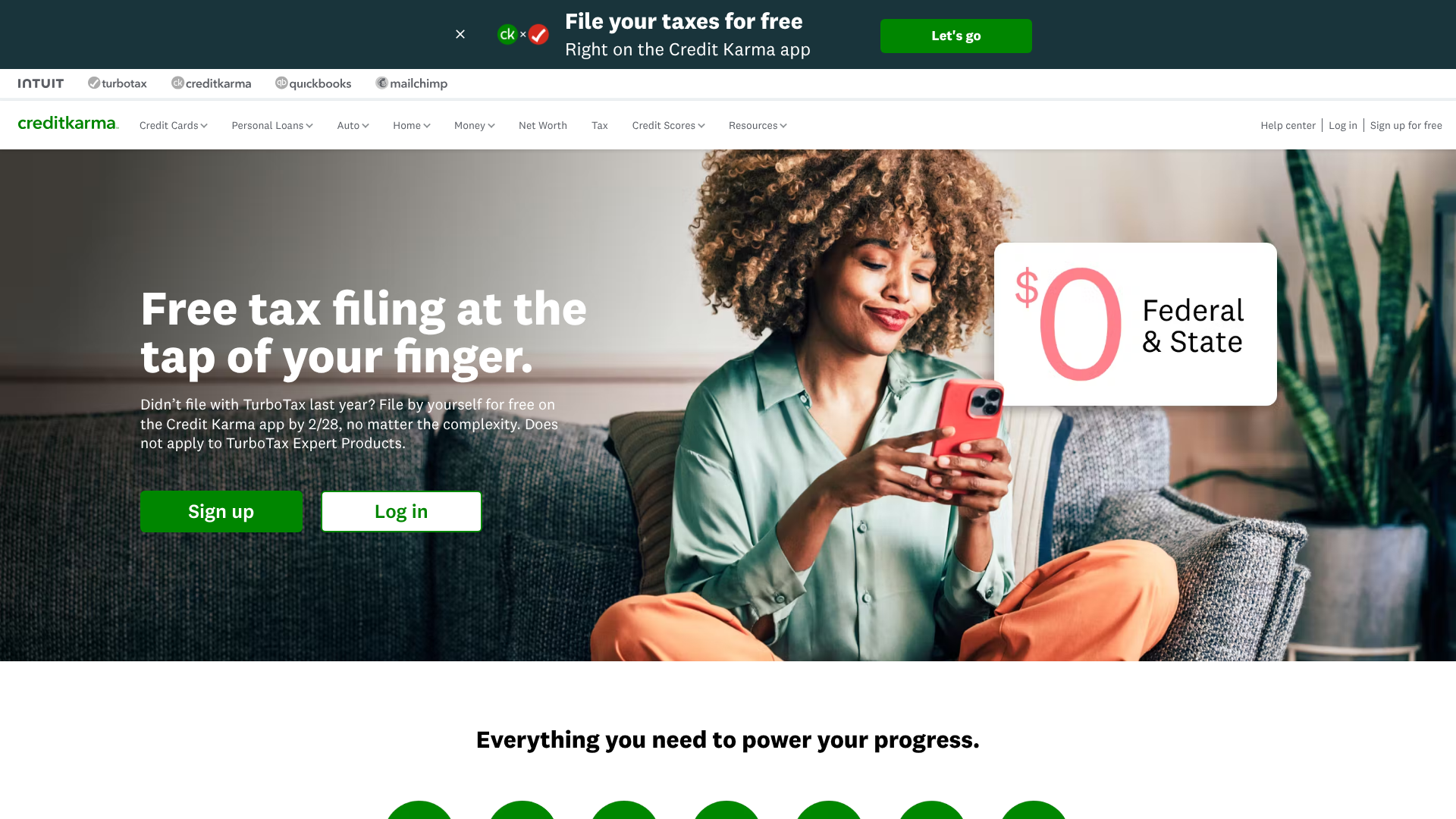
Credit Karma is a personal finance company, now owned by Intuit, that offers a suite of free tools designed to help you manage your financial life. It is not a credit bureau like Equifax, Experian, or TransUnion. Instead, it partners with two of these bureaus—Equifax and TransUnion—to provide you with access to your credit data.
The cornerstone of its service is providing a free credit report and score. This was a significant shift in an industry where consumers often had to pay or navigate a complex process to see their own information. The platform updates your scores and reports weekly, allowing you to monitor your credit health consistently without any cost.
Beyond the basics, Credit Karma has expanded its offerings significantly. It provides free credit monitoring, which sends you alerts when significant changes occur on your TransUnion or Equifax reports, such as a new account opening or a hard inquiry. This feature is crucial for early fraud detection. The platform also includes tools like a Credit Score Simulator, which estimates how certain financial actions—like paying off a credit card or taking out a loan—might affect your score.
How to Get Your Credit Karma Free Credit Report and Score: A Step-by-Step Guide
Accessing your financial information on Credit Karma is a straightforward process designed to be completed in just a few minutes. The platform requires some personal information to verify your identity and pull your credit files from the bureaus. Here’s how to get started.
-
Visit the Website or App: You can sign up on the Credit Karma website or by downloading their mobile app from the Apple App Store or Google Play Store. The process is identical on both platforms.
-
Create Your Account: You'll be asked to provide your email address and create a password. This will be your login information for future access.
-
Provide Personal Information: To confirm your identity, Credit Karma needs your full name, date of birth, and address. This information must match what the credit bureaus have on file for you.
-
Enter Your Social Security Number (SSN): You must provide the last four digits of your SSN, and in some cases, the full number. This is the primary identifier used by credit bureaus to locate your specific credit file. Credit Karma uses this information solely for identity verification and to access your reports.
-
Answer Security Questions: You will be asked a few multiple-choice questions based on your credit history. For example, you might be asked about a past address or a previous auto loan provider. These questions are generated from your credit file and are designed so that only you would know the correct answers.
Once your identity is verified, you'll gain immediate access to your dashboard. This dashboard displays your VantageScore 3.0 credit scores from both TransUnion and Equifax, along with a summary of your credit reports.
Decoding Your Credit Score: The Key Factors That Matter
Your credit score is a three-digit number that summarizes your credit risk to lenders, but it's not arbitrary. It's calculated based on several factors found in your credit report. Understanding these components is the first step toward improving your score. The VantageScore 3.0 model, like FICO, weighs these factors to determine your overall creditworthiness.
Here are the five key factors that influence your score:
-
Payment History (Extremely Influential): This is the single most important factor. It tracks whether you've paid your bills on time. Late payments, collections, and bankruptcies can significantly lower your score. A consistent history of on-time payments is the best way to build a strong score.
-
Credit Utilization (Highly Influential): This measures how much of your available revolving credit you're using. It's calculated by dividing your total credit card balances by your total credit limits. Experts recommend keeping this ratio below 30%; lower is even better. A high utilization ratio suggests you might be overextended and is a red flag for lenders.
-
Credit Age (Moderately Influential): This refers to the average age of all your credit accounts and the age of your oldest account. A longer credit history generally demonstrates more experience managing debt, which can positively impact your score. This is why it's often advised not to close your oldest credit card, even if you don't use it much.
-
Credit Mix and New Credit (Less Influential): This factor looks at the different types of credit you have, such as credit cards (revolving credit) and installment loans (mortgages, auto loans). Lenders like to see that you can responsibly manage various types of debt. This category also includes recent hard inquiries, which occur when you apply for new credit. Too many inquiries in a short period can temporarily lower your score.
-
Total Balances/Debt (Less Influential): While related to utilization, this looks at your overall debt amount. While having debt isn't inherently bad, carrying high balances across multiple accounts can be a sign of risk.
Credit Karma's dashboard provides a "Credit Factors" report card that grades you on these key areas, making it easy to see where you're doing well and where you have room for improvement.

Why Regular Credit Monitoring is Essential for Your Financial Health
Checking your credit score once a year is good, but actively monitoring it is even better. Regular monitoring transforms your credit report from a historical document into a dynamic tool for managing your financial life. Services like Credit Karma make this easy by providing weekly updates and real-time alerts, which offer several key benefits.
First and foremost, monitoring helps with early fraud detection and identity theft. You'll receive an alert if a new account is opened in your name, a hard inquiry you don't recognize appears, or your personal information is changed. This allows you to act quickly to lock down your accounts and report the fraud before significant damage is done.
Second, it allows you to track your progress toward financial goals. If you're working to pay down debt or build your credit to qualify for a mortgage, seeing your score change in response to your actions can be highly motivating. A regular credit score check helps you understand the direct impact of your financial decisions, reinforcing positive habits.
Finally, regular monitoring helps you spot and correct errors. The Federal Trade Commission has reported that one in five consumers has a potentially material error on their credit report. An incorrect late payment, a misspelled name, or an account that doesn't belong to you could be dragging your score down. By reviewing your free credit report often, you can identify these mistakes and use Credit Karma's Direct Dispute™ tool to challenge inaccuracies on your TransUnion report.
VantageScore vs. FICO: How Credit Karma Calculates Your Score
One of the most common points of confusion for new Credit Karma users is the score itself. When you get a loan, your lender might show you a different credit score than the one you see on your Credit Karma dashboard. This doesn't mean either score is "wrong"; it means they are calculated using different scoring models.
Credit Karma provides your VantageScore 3.0, a scoring model created collaboratively by the three major credit bureaus. Many banks and lenders, however, use various versions of the FICO score, which was developed by the Fair Isaac Corporation. While both models use the same underlying data from your credit report, they weigh the factors differently, which can result in different scores.
For example, VantageScore might be more forgiving of a single past late payment if your recent history is perfect, while a FICO model might penalize it more heavily. VantageScore can also score consumers with thinner or younger credit files, whereas FICO typically requires at least six months of credit history. The key takeaway is that the Karma credit score is a real, valid score—it's just not the only one out there.
Pro Tip: Don't obsess over the exact number. Instead, focus on the trends and the information in your credit report. If your VantageScore on Credit Karma is going up, your FICO scores are likely trending in the same direction. The health of your credit report data is what truly matters.
Credit Karma vs. The Competition: How Does It Stack Up?
Credit Karma is a major player in the free credit monitoring space, but it's not the only option. Understanding how it compares to other services can help you decide if it's the right tool for you.
Here’s a look at how Credit Karma compares to other popular credit report services:
| Feature | Credit Karma | AnnualCreditReport.com | Experian (Free Service) | Credit Sesame |
|---|---|---|---|---|
| Cost | Free | Free | Free (with paid upgrades) | Free (with paid upgrades) |
| Credit Bureaus | Equifax & TransUnion | Equifax, TransUnion, Experian | Experian Only | TransUnion Only |
| Credit Score Model | VantageScore 3.0 | None (Reports Only) | FICO 8 | VantageScore 3.0 |
| Update Frequency | Weekly | Annually (currently weekly) | Monthly | Monthly |
| Key Features | Monitoring, Simulator, Identity Tools | Official Source for Reports | Experian Boost™, FICO Score | Score Analysis, ID Protection |
AnnualCreditReport.com is the only source federally authorized to provide you with a free copy of your credit report from all three bureaus. It's essential for a complete, in-depth review, but it doesn't provide a credit score. Credit Karma fills this gap with frequent score updates and user-friendly tools.
Experian offers its own free service that provides access to your Experian credit report and a FICO score. This is a great way to see a FICO score specifically, but it only covers one bureau. Its "Experian Boost" feature also allows you to add utility and streaming service payments to your report, which can be helpful for those with thin credit files.
Credit Sesame is another competitor that operates on a similar model to Credit Karma, offering a free VantageScore and report data from TransUnion. Both services make money through product recommendations.
Ultimately, Credit Karma's primary advantage is providing data from two of the three bureaus in one place, updated weekly, for free. Using it in combination with Experian's free service can give you a comprehensive view of your credit across all three bureaus.

The Real-World Impact: How Your Credit Score Affects Loans and More
Your credit score is more than just a number; it's a key that can open or close doors to major financial opportunities. Lenders use it as a primary indicator of your financial responsibility. A higher score signals lower risk, which translates directly into better offers and significant savings over time.
Consider applying for a mortgage. A borrower with a 760 credit score might be offered an interest rate of 6.5%, while a borrower with a 640 score might be offered a rate of 7.5% on the same $300,000 loan. That one-percentage-point difference could mean paying over $65,000 more in interest over the life of a 30-year mortgage. This demonstrates the powerful, long-term financial impact of a good credit score.
This principle applies to nearly all forms of credit:
- Auto Loans: A better score can mean a lower monthly car payment and less total interest paid.
- Credit Cards: Applicants with high scores qualify for premium rewards cards with better perks and lower interest rates.
- Personal Loans: Your score will heavily influence the interest rate and loan amount you're approved for.
Beyond lending, your credit history can also impact other areas of your life. Some landlords run a credit score check as part of the rental application process. Insurance companies in many states use credit-based insurance scores to help set premiums for auto and homeowners insurance. Even some employers may review a modified version of your credit report as part of a background check for certain positions.
Actionable Tips: Improving Your Credit Score with Credit Karma's Tools
Credit Karma is not just for monitoring; it's a powerful tool for actively improving your credit. By using its features strategically, you can identify areas for improvement and take concrete steps to boost your score.
-
Review Your Credit Factors Report Card: Start by looking at your dashboard's breakdown of credit factors. It will grade you from A to F on things like payment history and credit card utilization. Focus your efforts on the areas with the lowest grades. If your utilization is high, create a plan to pay down your balances.
-
Use the Credit Score Simulator: This tool lets you explore hypothetical scenarios. You can see how your score might change if you pay off a credit card, get a new loan, or let an account go to collections. This can help you prioritize your financial decisions and understand their potential consequences before you act.
-
Dispute Errors with Direct Dispute™: If you find an error on your TransUnion credit report—like a late payment you made on time or an account that isn't yours—you can file a dispute directly through the Credit Karma platform. They guide you through the process of challenging the inaccuracy, which, if removed, could lead to a significant score increase.
-
Pay Your Bills on Time: This is the most fundamental rule of credit building. Set up automatic payments or calendar reminders for all your bills to ensure you never miss a due date. Your payment history is the most heavily weighted factor in your score.
-
Lower Your Credit Card Utilization: Aim to use less than 30% of your available credit on each card. If you have high balances, focus on paying them down. You can also consider asking for a credit limit increase on an existing card, which can lower your utilization ratio as long as your spending stays the same.
Is Credit Karma Safe? A Look at Security and Privacy
Handing over personal information like your Social Security number requires trust. Credit Karma understands this and employs robust security measures to protect user data. The company uses 128-bit or higher encryption to secure the transmission of your data and implements physical and electronic safeguards to protect its systems.
It's important to understand Credit Karma's business model to see why they offer these services for free. They don't sell your personal information to third parties. Instead, they use your credit profile to provide personalized recommendations for financial products. If you apply for and are approved for a credit card or loan through a link on their site, the bank or lender pays Credit Karma a commission.
This is a common business model in the fintech industry. The platform essentially acts as a matchmaker, connecting consumers with financial products they are more likely to qualify for. While the recommendations can be helpful, it's always wise to do your own research and compare offers to ensure you're getting the best deal for your situation. The recommendations are the "catch," but it's a transparent one that allows the core services to remain free.
What Do Real Users Say? Reviews and Common Experiences
User experiences with Credit Karma are generally positive, with most people appreciating the free and easy access to their credit information. The mobile app is highly rated for its clean interface and user-friendly design. Many users credit the platform with helping them understand their finances better and take control of their debt.
One Reddit user in the r/personalfinance subreddit noted, "It's a great tool for monitoring. The score isn't what a lender will use, but the report data is. If you see a new account you didn't open, you know there's a problem. That's the real value." This sentiment is common: users see it as an essential monitoring and educational tool.
However, there are a few common criticisms. The most frequent is the discrepancy between the VantageScore shown on Credit Karma and the FICO score used by lenders, which can cause confusion during a loan application. Another point of contention for some users is the frequency of product recommendations, which can sometimes feel like aggressive marketing. Despite these drawbacks, the consensus is that the value provided by the free services far outweighs the negatives.
Frequently Asked Questions (FAQ)
Can I check my credit score on Credit Karma for free?
Yes, absolutely. The core service of Credit Karma is providing free access to your credit scores and credit reports. You can check your VantageScore 3.0 credit scores from Equifax and TransUnion as often as you like without any cost. No credit card is ever required to sign up or use the main features.
What is the downside of Credit Karma?
The primary downsides are twofold. First, Credit Karma provides VantageScore 3.0 credit scores, while the majority of lenders use FICO scoring models. This can lead to a difference between the score you see on Credit Karma and the score your lender pulls. Second, its business model relies on recommending financial products, so you will see targeted offers for credit cards and loans, which some users may find excessive.
Is FICO or Credit Karma more accurate?
This is a common misconception. It's not a matter of one being more "accurate" than the other. Both FICO and VantageScore (the model Credit Karma uses) are legitimate, accurate calculations based on the data in your credit report. The difference is that they are different models, like Celsius and Fahrenheit are different temperature scales.
FICO is more widely used by lenders, so it's often considered the industry standard, but the score you see on Credit Karma is a real and valid reflection of your credit health according to the VantageScore model.
Does Credit Karma show my actual credit score?
Yes, Credit Karma shows your actual VantageScore 3.0 credit scores from TransUnion and Equifax. It is a real credit score used by some lenders and financial institutions. However, it may not be the same score that a specific mortgage lender or auto dealer uses, as they might use one of the many FICO score versions. The most important thing to remember is that the underlying credit report data is the same across all models.
How quickly can I get my credit score from 500 to 700?
Improving a credit score by 200 points is a significant achievement and the timeline varies greatly depending on individual circumstances. If your low score is due to high credit utilization, you could see a substantial increase in just one to two months after paying down balances. However, if your score is low due to more serious issues like late payments, collections, or bankruptcy, it will take much longer. Building a positive payment history over time is key, and you could see steady progress over 12 to 24 months of consistent, responsible credit use.
Final Thoughts
Credit Karma has fundamentally changed how consumers interact with their own financial data. By providing a consistently free and accessible platform to view your credit report and score, it has empowered millions to take a more active role in managing their financial health. While it's crucial to understand the nuances, like the difference between VantageScore and FICO, the service's value as a monitoring and educational tool is undeniable.
Regularly checking your free credit report on the platform allows you to track your progress, catch errors, and protect yourself against identity theft. The insights and simulators provide a safe environment to learn how financial decisions can shape your future. For anyone looking to build, repair, or simply understand their credit, Credit Karma offers an invaluable and cost-free resource.
If you're ready to take the first step toward better financial awareness, signing up is a simple process. You can get started today by visiting Credit Karma's website and creating your free account.