


Free Credit Score from Credit Karma: A Beginner's Guide to Your Numbers
Understanding your financial health starts with a single number: your credit score. For years, accessing this number was often complicated or costly, but that's no longer the case. Getting your free credit score from Credit Karma is a straightforward process that gives you powerful insights into your financial standing without requiring a credit card. This guide will walk you through everything you need to know about the service, what the numbers mean, and how you can use this information to build a stronger financial future.
Your credit score is more than just a three-digit number; it's a key that can open doors to better interest rates on loans, credit cards, and even mortgages. By using a service like Credit Karma, you can monitor this crucial metric regularly, track changes, and understand the factors that influence it. This empowers you to take control of your credit and make smarter financial decisions.
What You'll Learn
- What Credit Karma Offers: You can get your free VantageScore 3.0 credit scores and reports from two major bureaus, Equifax and TransUnion, without any cost.
- VantageScore vs. FICO: The score you see on Credit Karma is a genuine credit score, but it's likely different from the FICO score most lenders use. We'll explain why this difference matters.
- Checking is Safe: Checking your own score through Credit Karma is a "soft inquiry," which means it has absolutely no negative impact on your credit history or score.
- It's More Than a Score: Credit Karma provides tools for credit monitoring, identity theft protection, and personalized recommendations for financial products based on your credit profile.
- Actionable Improvement Tips: The platform provides specific insights into what's helping and hurting your score, giving you a clear roadmap for improvement.
What Exactly Is a Credit Score?
A credit score is a three-digit number, typically ranging from 300 to 850, that represents your creditworthiness. Lenders, such as banks and credit card companies, use this score to evaluate the risk of lending you money. A higher score indicates a lower risk, which often translates to better approval odds and more favorable interest rates.
Think of it as a financial report card. It summarizes your history of managing debt and paying bills. This score is calculated using information from your credit reports, which are detailed records of your credit history maintained by three major credit bureaus: Equifax, Experian, and TransUnion. These reports include information about your credit accounts, payment history, and public records.
Because each bureau may have slightly different information, you actually have multiple credit scores. Furthermore, there are different scoring models, like FICO and VantageScore, which weigh factors differently. This is why your score can vary depending on where you look and which model is used.
Meet Credit Karma: Your Free Financial Toolkit
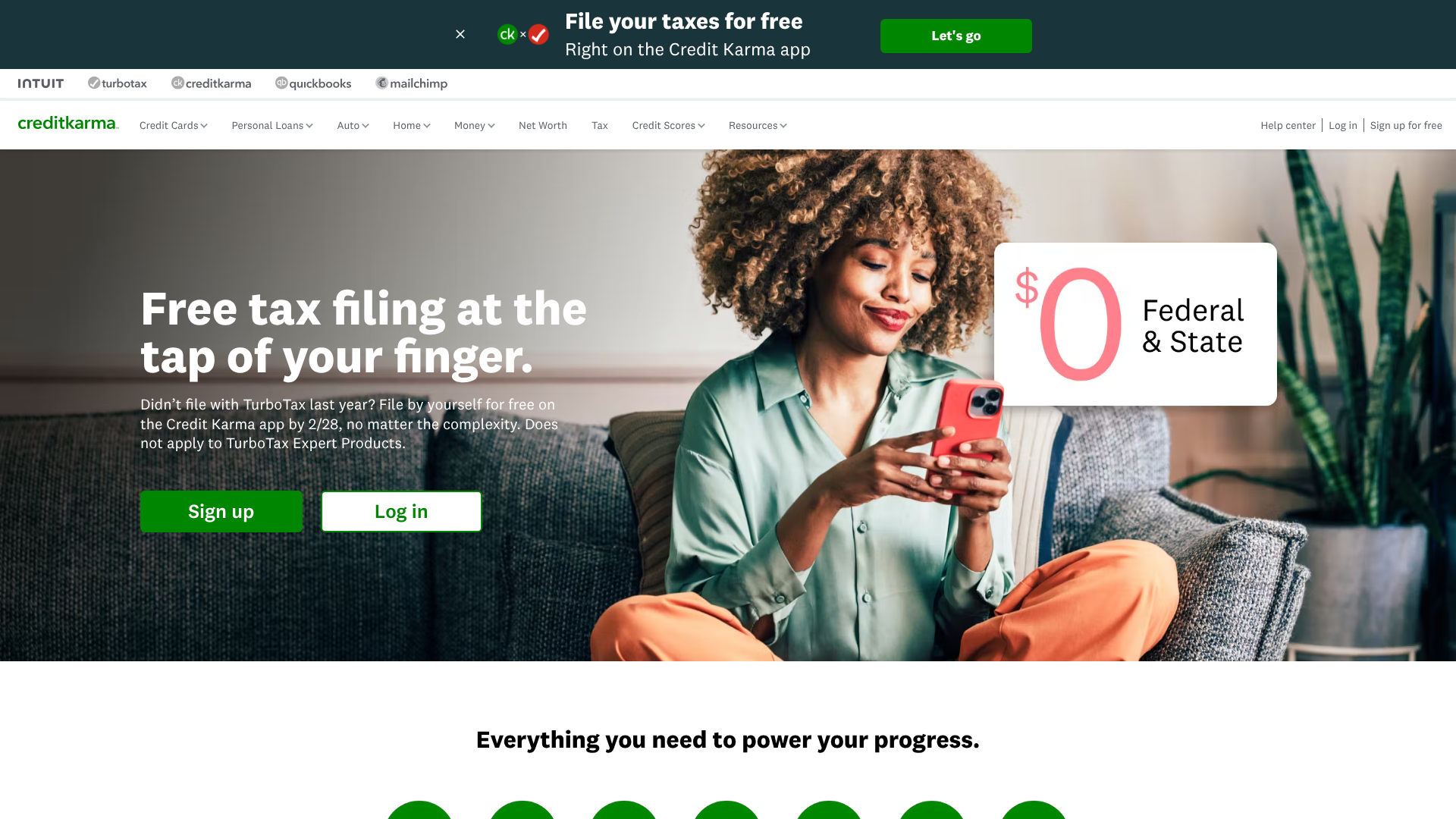
Credit Karma is a personal finance company that provides a suite of free tools designed to help you manage your financial health. Founded in 2007, its core offering has always been providing a credit karma free score and access to your credit reports. Today, it has expanded to include credit monitoring, identity monitoring, and a marketplace for financial products.
So, how can it all be free? Credit Karma's business model is based on targeted advertising. When you use the platform, it analyzes your credit profile and financial data to show you personalized offers for credit cards, personal loans, auto loans, and other financial products. If you apply for and are approved for one of these offers, Credit Karma receives a commission from that bank or lender.
This model creates a win-win situation. You get free access to valuable financial tools and information, and financial institutions get to market their products to consumers who are a good match for them. It's important to remember that you are never obligated to apply for any of the products recommended to you.
How to Get Your Free Credit Score from Credit Karma (Step-by-Step Guide)
Accessing your financial information on Credit Karma is a simple and secure process. It typically takes only a few minutes to set up an account and see your scores for the first time. Here’s how to do it.
-
Visit the Website or App: Go to the Credit Karma website or download the mobile app from the Apple App Store or Google Play Store.
-
Sign Up for a Free Account: You'll need to provide some basic personal information, including your name, address, and email. To verify your identity and pull your credit files, you will also be asked for the last four digits of your Social Security number.
-
Answer Security Questions: Credit Karma will ask you a few multiple-choice questions based on your credit history to confirm you are who you say you are. These questions are generated from your credit file, such as identifying a past address or a previous auto loan provider.
-
View Your Scores and Reports: Once your identity is verified, you'll be taken to your dashboard. Here, you will see your VantageScore 3.0 credit scores from both TransUnion and Equifax, along with access to your full credit reports from both bureaus.
That's it. You can now log in anytime to check for updates. Credit Karma typically updates your scores and reports weekly, so you can stay on top of any changes.
Decoding Your Credit Karma Score: VantageScore vs. FICO
This is one of the most important and often misunderstood aspects of using Credit Karma. The free credit score you see is your VantageScore 3.0, not your FICO score. While both are legitimate credit scoring models that analyze your credit report, they use slightly different algorithms, and most lenders—over 90%—use a version of the FICO score when making lending decisions.
This discrepancy is a common point of confusion and frustration for consumers. You might see a 720 score on Credit Karma, apply for a loan, and find out the lender pulled a FICO score of 690. Why the difference. The models weigh credit factors differently.
For example, one model might be more forgiving of a single late payment if the rest of your history is perfect, while another might penalize it more heavily.
Here's a breakdown of the key differences:
- Usage: FICO is the dominant player used by the vast majority of lenders. VantageScore was created as a competitor by the three major credit bureaus and is gaining popularity but is not as widely used for lending decisions.
- Scoring Criteria: Both models look at the same core factors (payment history, credit utilization, etc.), but the weight they assign to each can vary.
- Score Generation: VantageScore can often generate a score for consumers with thinner or newer credit files, whereas FICO may require a longer credit history.
So, is the Credit Karma score useless. Absolutely not. Think of it as a highly reliable indicator of your overall credit health. If your VantageScore is going up, your FICO score is almost certainly trending in the same direction.
It's an excellent tool for monitoring trends, spotting errors, and understanding your financial habits.
Pro Tip: Don't fixate on the exact three-digit number. Instead, focus on the credit factors and the overall trend. Use Credit Karma to track your progress and ensure your reports are accurate. When preparing for a major purchase like a home or car, it may be wise to purchase your FICO score directly from myFICO or see if your bank offers it for free.
Why Checking Your Credit Score Regularly is a Financial Superpower
Ignoring your credit score is like driving without a speedometer—you might be going in the right direction, but you have no idea how fast you're getting there or if you're headed for trouble. Regularly monitoring your free credit score is one of the smartest financial habits you can develop. It provides a constant feedback loop on your financial behavior.
First and foremost, it's a critical tool for fraud detection. Identity theft is a growing problem, and one of the first signs can be a sudden, unexplained drop in your credit score or a new account appearing on your report that you don't recognize. With Credit Karma's monitoring alerts, you can be notified of significant changes, allowing you to act quickly to protect yourself.
Second, it allows you to track your progress toward financial goals. If you're working to pay down debt or build a positive payment history, seeing your score tick upward is a powerful motivator. It provides tangible proof that your hard work is paying off. Conversely, if your score drops, you can immediately investigate why and take corrective action.
Finally, knowing your score empowers you to make informed decisions. When you know you have a strong credit profile, you can apply for loans and credit cards with confidence, knowing you'll likely qualify for the best rates. This can save you thousands of dollars in interest over the life of a loan.

Beyond the Score: Key Features of Credit Karma's Service
While the headline feature is the credit karma free score, the platform offers a range of other tools that provide a more complete picture of your financial life. These features work together to help you understand and improve your credit.
- Free Credit Reports: You get free access to your full credit reports from TransUnion and Equifax. This is crucial because your reports are the source of your score. You should review them regularly for errors, which you can dispute directly through the platform.
- Credit Factors Analysis: Credit Karma breaks down the six key factors that impact your score: payment history, credit card utilization, derogatory marks, age of credit history, total accounts, and hard inquiries. It grades you on each one, showing you exactly where you're excelling and where you need to improve.
- Credit Monitoring and Alerts: The service actively monitors your TransUnion and Equifax credit files for important changes. You'll receive an alert if a new account is opened, a hard inquiry appears, or your personal information is changed, helping you stay ahead of potential identity theft.
- Financial Product Marketplace: As mentioned, Credit Karma provides personalized recommendations for credit cards and loans. A useful feature here is the "Approval Odds," which uses your credit profile to estimate your likelihood of being approved for a specific product before you apply.
- Relief Roadmap: For members facing financial hardship, this feature helps you find and connect with government and private relief programs, offering assistance with everything from unemployment benefits to utility bills.
Actionable Tips to Boost Your Score Using Credit Karma's Insights
Knowing your score is one thing; improving it is another. Credit Karma's tools are designed to give you a clear, actionable path toward a better credit score. The "Credit Factors" dashboard is your best friend here. It tells you exactly what to focus on.
-
Improve Your Payment History: This is the most important factor. The dashboard will show you if you have any late payments on record. The best way to improve this is simple but crucial: pay every single bill on time, every month. Set up automatic payments to ensure you never miss a due date.
-
Lower Your Credit Card Utilization: This is the percentage of your available credit that you're currently using. Credit Karma will show you this ratio, and experts recommend keeping it below 30%. If your utilization is high, focus on paying down your credit card balances. Making multiple small payments throughout the month can also help keep your reported balance low.
-
Address Derogatory Marks: This category includes things like collections, bankruptcies, or repossessions. Credit Karma will highlight any such marks on your report. If you see one, address it. If it's an error, dispute it. If it's a legitimate debt in collections, work to pay it off or negotiate a settlement.
-
Increase Your Age of Credit History: This factor is about time. A longer history of responsible credit management is better for your score. The key takeaway here is to avoid closing your oldest credit card accounts, even if you don't use them often. Keeping them open preserves the length of your credit history.
What Do the Numbers Mean? Understanding Credit Score Ranges

Your VantageScore 3.0, like most credit scores, falls within a range of 300 to 850. Understanding where your score falls within this spectrum helps you gauge your credit health and what kind of financial products you might qualify for. While lenders have their own criteria, these ranges provide a general guideline.
Here’s a typical breakdown of the VantageScore 3.0 ranges:
- Excellent (781 – 850): You are considered a very low-risk borrower. You'll have access to the best financial products with the lowest interest rates and most favorable terms. Lenders will actively compete for your business.
- Good (661 – 780): You are seen as a dependable borrower. You should have little trouble getting approved for most loans and credit cards, though you might not always get the absolute lowest interest rate available.
- Fair (601 – 660): This range is often considered subprime. You may have some blemishes on your credit report. While you can still get approved for credit, your options may be more limited, and you'll likely pay higher interest rates.
- Poor (500 – 600): Lenders view you as a high-risk borrower. You may struggle to get approved for traditional loans and credit cards. If you do, expect very high interest rates and fees. Secured credit cards are often a good tool for rebuilding from this range.
- Very Poor (300 – 499): This indicates significant financial challenges and a high likelihood of default. Getting credit will be extremely difficult. The focus here should be on credit repair and establishing a positive history.
Is Your Data Safe? How Credit Karma Protects Your Information
Handing over personal information, including your Social Security number, can feel daunting. It's natural to wonder if your data is secure. Credit Karma takes security seriously and employs several measures to protect your personal information.
The company uses 128-bit or higher encryption to protect your data during transmission from your browser to their servers. This is the same level of security that most banks use. They also have a dedicated security team and implement physical and electronic safeguards to protect their systems.
Credit Karma's privacy policy states that they do not sell your personal information to unaffiliated third parties. As their business model relies on trust, a significant data breach would be catastrophic for the company. Therefore, they have a strong incentive to maintain robust security protocols. As a user, you can also enhance your security by using a strong, unique password and enabling two-factor authentication on your account.
Busting Common Myths About Your Credit Score
There's a lot of misinformation out there about credit scores. Believing these myths can lead to poor financial decisions. Let's clear up some of the most common ones.
Myth 1: Checking your own credit score hurts it.
This is false. When you check your own score on a site like Credit Karma, it's a "soft inquiry" or "soft pull." These do not affect your credit score at all. A "hard inquiry" happens when a lender checks your credit as part of a formal application for a loan or credit card, and these can cause a small, temporary dip in your score.
Myth 2: Closing old credit cards will boost your score.
This is usually a bad idea. Closing an old account can hurt your score in two ways. First, it reduces your total available credit, which can increase your credit utilization ratio. Second, it can shorten the average age of your credit history.
Both of these outcomes can lower your score.
Myth 3: You only have one credit score.
As we've discussed, this is not true. You have many different credit scores from various scoring models (FICO, VantageScore) and based on data from different credit bureaus (Equifax, Experian, TransUnion). It's normal for these scores to be slightly different.
Myth 4: Carrying a small balance on your credit card is better than paying it off in full.
This myth is persistent but incorrect. Paying your statement balance in full every month is the best possible habit for your credit score and your wallet. It demonstrates responsible credit management and saves you from paying interest charges. Carrying a balance does not provide any extra benefit to your score.
Frequently Asked Questions
Does Credit Karma give you a free credit score?
Yes, Credit Karma provides your VantageScore 3.0 credit scores from two of the three major credit bureaus, Equifax and TransUnion, completely free. You can check your scores and reports as often as you like without any cost or negative impact on your credit.
What's more accurate, Credit Karma or FICO score?
It's not a matter of accuracy, but of which score a lender uses. Both VantageScore (from Credit Karma) and FICO scores are accurate calculations based on the data in your credit report. However, over 90% of top lenders use FICO scores for their lending decisions. Therefore, a FICO score is a more accurate predictor of the number a lender will see when you apply for credit.
Credit Karma's score is best used as a tool to monitor your overall credit health and trends.
How far off is Credit Karma from FICO?
The difference between your VantageScore on Credit Karma and your FICO score can vary significantly, from just a few points to 50 points or more. This variance depends on your individual credit history and how the two models weigh different factors. For example, VantageScore is often more lenient on consumers with short credit histories, which could result in a higher score than FICO for those individuals.
Why are all three credit scores different?
Your credit scores can differ for two main reasons. First, not all of your creditors report to all three credit bureaus (Equifax, TransUnion, and Experian). One report might contain information that another doesn't, leading to different scores. Second, even if the data were identical, different scoring models (like the various versions of FICO and VantageScore) use different formulas, which will produce different numerical results.
What is the best way to get my credit score for free?
Credit Karma is an excellent way to get your free VantageScore 3.0 from Equifax and TransUnion. You can also get your free credit reports from all three bureaus once per year through the official government-mandated site, AnnualCreditReport.com. Additionally, many credit card issuers and banks now offer free FICO scores to their customers as a monthly perk.
Final Thoughts
Understanding and managing your credit is a fundamental part of modern financial life. Services like Credit Karma have made it easier than ever to get credit score from Credit Karma and monitor your financial health without paying a cent. While it's crucial to understand the distinction between the VantageScore it provides and the FICO scores most lenders use, the platform remains an invaluable educational and monitoring tool.
By using the insights from Credit Karma, you can check for errors on your credit reports, understand the factors driving your score, and take concrete steps to build a stronger financial profile. Regular monitoring helps protect you from fraud and keeps you motivated on your journey to financial wellness.
If you're ready to take the first step toward mastering your credit, signing up for a free account is a logical and empowering choice. Visit Credit Karma today to see where you stand.