

Is National Debt Relief Legit? Reddit's Unfiltered Opinions for Consumers
When you're overwhelmed by debt, promises of paying back less than you owe can sound like a lifeline. Companies like National Debt Relief (NDR) are often the first you find. But when you search for real user experiences, you inevitably land on forums like Reddit, where the opinions are raw, unfiltered, and often contradictory. The core question you're trying to answer—is National Debt Relief legit according to Reddit—unleashes a wave of success stories, horror stories, and heated debates.
This article cuts through the noise to give you a clear, comprehensive answer.
We've analyzed countless threads and user comments to understand the real process, the hidden risks, and the potential rewards. We'll break down how the program works, what Redditors consistently praise and complain about, and how it stacks up against other debt relief options. By the end, you'll have the information you need to decide if this path is a viable solution for your financial situation or a risky gamble you should avoid.
What to Know
- Legitimacy vs. Risk: National Debt Relief is a legitimate debt settlement company, not an outright scam. However, its high-risk model comes with significant downsides, including severe credit damage and the possibility of being sued by creditors, a fact frequently highlighted in debt relief Reddit opinions.
- Credit Score Impact: Enrolling in a debt settlement program with NDR will seriously damage your credit score. The process requires you to stop paying your creditors, leading to late payments, charge-offs, and collections activity on your credit report.
- Fee Structure: NDR operates on a contingency fee basis, meaning you don't pay them until they successfully negotiate and settle a debt for you. Their fees typically range from 15% to 25% of the total debt you enroll in the program.
- Reddit's Polarized View: Online forums show a sharp divide. Some users report successfully completing the program and saving thousands, viewing it as a necessary last resort. Many others warn against it, citing poor communication, aggressive tactics, and outcomes that left them in a worse financial position.
- Alternatives Are Crucial: Before considering debt settlement, it's essential to explore less damaging alternatives. These include non-profit credit counseling, Debt Management Plans (DMPs), and debt consolidation loans, which can often provide relief without the same level of risk.
An Unbiased Overview of National Debt Relief
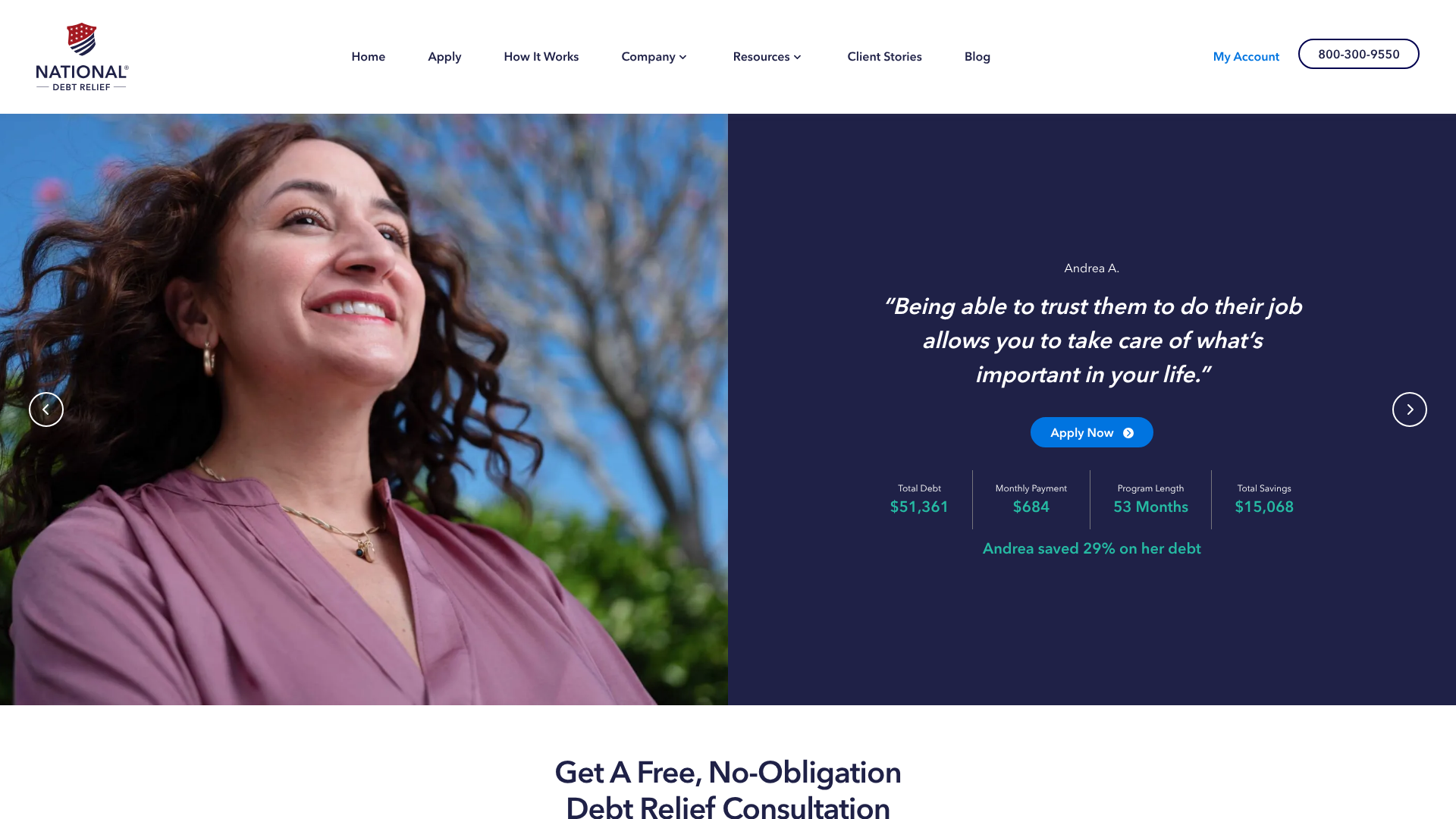
National Debt Relief is one of the largest and most well-known debt settlement companies in the United States. It's important to understand what they do and, just as importantly, what they don't do. They are a for-profit company that specializes in negotiating unsecured debts on behalf of consumers.
Unsecured debts are those not backed by collateral, such as credit card debt, medical bills, and personal loans. NDR's primary service is to contact your creditors and negotiate a lump-sum payment that is less than the full amount you owe. They are not a loan company, they do not lend you money, and they are not a non-profit credit counseling agency.
The company is accredited by organizations like the American Fair Credit Council (AFCC), which sets industry standards for debt settlement companies. While this provides a layer of legitimacy, it doesn't eliminate the inherent risks of the debt settlement process itself, which is the central theme of most online discussions and national debt relief reviews.
How National Debt Relief Actually Works: The Step-by-Step Process
Understanding the mechanics of the program is crucial to grasping why it can be both effective for some and disastrous for others. The process generally follows a clear, multi-year path.
-
Free Consultation and Enrollment: The journey begins with a free phone consultation. A debt specialist reviews your financial situation, including your income, expenses, and total unsecured debt (they typically require a minimum of $7,500). If you qualify and decide to move forward, you'll sign an agreement and enroll your debts into their program.
-
Stop Paying Creditors and Open a Dedicated Account: This is the most critical and controversial step. NDR instructs you to stop making payments to the creditors you've enrolled. Instead, you begin making a single, more affordable monthly deposit into a new, dedicated savings account (an FDIC-insured escrow account) that you control. This is the money that will eventually be used to pay off settlements.
-
The Negotiation Phase: Once you've accumulated enough funds in your dedicated account (usually enough to make a reasonable settlement offer on one of your smaller debts), NDR's negotiators will contact that creditor. They will work to reach an agreement for you to pay a percentage of the original balance, with the remainder being forgiven.
-
Settlement and Payment: No settlement is ever accepted without your explicit approval. Once you approve a deal, the funds are transferred from your dedicated account to the creditor. At this point, National Debt Relief also collects its fee for that specific settled debt, which is drawn from the same account.
-
Program Completion: This process is repeated for each of your enrolled debts until all have been settled. The typical program length is 24 to 48 months. Once completed, you should be free of the enrolled debts, but the impact on your credit will remain for several years.
Is National Debt Relief Legit? Reddit's Unfiltered Verdict
When you dive into Reddit, you find the unvarnished truth from people who have been through the process. The platform serves as a massive collection of debt relief reddit opinions, and the sentiment is deeply divided. This polarization is key to understanding the company.
The Positive Experiences
In various subreddits like r/debtfree and r/personalfinance, you can find users who claim National Debt Relief worked for them. These positive accounts often share common themes. Users typically state they were at rock bottom, facing potential bankruptcy, and saw NDR as their only way out. They followed the program diligently, endured the credit score drop, and emerged with significantly less debt.
One user in a Reddit discussion mentioned, "Yes, NDR is legit they negotiate balances down, give you one payment, and most finish in 2–4 years paying less. Credit dips at first, but with on time payments and low utilization after the program it will go up." These success stories almost always come with the caveat that the process was stressful and damaging to their credit in the short term.
The Overwhelmingly Negative Warnings
For every success story, there seem to be several cautionary tales. The negative national debt relief reviews on Reddit are passionate and frequent. The most common complaints revolve around several key issues that are inherent to the debt settlement model.
- Aggressive Sales and Misleading Information: Many users report feeling pressured during the initial consultation and believe the risks were downplayed. They felt the promise of debt reduction was highlighted while the near-certainty of credit damage and potential lawsuits was glossed over.
- The Pain of Being Sued: A frequent warning is about creditor lawsuits. As one Redditor in the r/Debt subreddit bluntly put it, "They don't do anything you can't do yourself, and they don't even communicate with your creditors until you've defaulted for months. By then you might be sued." When you stop paying your bills, your creditors have the legal right to sue you for the full amount, plus fees and interest.
- Credit Score Annihilation: Users consistently report their credit scores plummeting by 100-200 points or more. The advice to stop payments guarantees that your credit report will be filled with delinquencies and charge-offs, making it nearly impossible to get new credit for years.
- High Fees: While NDR doesn't charge upfront fees, the final cost is substantial. A fee of 25% on a $40,000 enrolled debt amounts to $10,000. Many Redditors argue that you could achieve similar results by negotiating yourself without paying such a hefty fee.
The Real Pros and Cons of Using National Debt Relief

To make an informed decision, you need to weigh the potential benefits against the significant drawbacks. Here’s a balanced look based on how the program is designed and the experiences shared online.
Pros
- Potential to Pay Less Than You Owe: The single biggest benefit is the possibility of settling your debts for a fraction of the original balance. For those with overwhelming debt, this can provide a path forward without bankruptcy.
- Single Monthly Payment: Instead of juggling multiple creditor payments, you make one monthly deposit into your settlement fund. This can simplify your finances and make budgeting easier during a difficult time.
- Professional Negotiation: NDR employs experienced negotiators who understand how to work with creditors. This can be a significant advantage for individuals who are uncomfortable or inexperienced with negotiation.
- No Upfront Fees: The company's fee structure is performance-based. They only get paid when they successfully settle a debt for you, which aligns their interests with yours to some degree.
Cons
- Severe and Lasting Credit Damage: This cannot be overstated. Your credit score will take a massive hit and will take years to recover. This will affect your ability to get a mortgage, car loan, or even rent an apartment.
- High Risk of Lawsuits: There is no guarantee that your creditors will agree to negotiate. Some may choose to sue you for payment instead, which can lead to wage garnishment or bank levies.
- Substantial Fees: The fees, while paid only upon success, can eat into your savings. A 15-25% fee on the total enrolled debt is a significant cost for the service.
- Potential Tax Consequences: The IRS may consider the amount of debt forgiven as taxable income. You could receive a 1099-C form and owe taxes on the money you "saved."
- Long and Difficult Process: Debt settlement is not a quick fix. It's a multi-year commitment that requires discipline and the ability to withstand collection calls and creditor pressure.
Pro Tip: Before enrolling, ask any debt settlement company for their dropout rate. A high rate can be a red flag that many clients find the process too difficult or that the company's promises don't match the reality of the program.
National Debt Relief vs. Other Options: A Clear Comparison
Debt settlement is just one of several ways to tackle overwhelming debt. For many people, it should be the last option considered before bankruptcy. Here’s how it compares to other common solutions.
| Method | Primary Goal | Impact on Credit Score | Typical Cost | Key Consideration |
|---|---|---|---|---|
| Debt Settlement (NDR) | Pay less than the total amount owed on unsecured debts. | Severe Negative Impact. Delinquencies and charge-offs are part of the process. | 15-25% of enrolled debt, paid per settlement. | High risk of lawsuits; potential tax on forgiven debt. |
| Debt Management Plan (DMP) | Consolidate payments and lower interest rates through a non-profit agency. | Minimal to Mild Negative Impact. Can cause a temporary dip as accounts are closed. | Low monthly fee ($25-$75). | You pay back 100% of the principal debt, just at a lower interest rate. |
| Debt Consolidation Loan | Take out a new, lower-interest loan to pay off multiple high-interest debts. | Potential Positive Impact. Can improve your credit mix and utilization if you pay on time. | Loan interest and potential origination fees. | Requires a good enough credit score to qualify for a favorable interest rate. |
| Chapter 7 Bankruptcy | Liquidate non-exempt assets to discharge most unsecured debts completely. | Severe Negative Impact. Stays on your report for 10 years, but recovery can start immediately. | Attorney and court fees ($1,500-$3,500+). | Provides a legal fresh start but has strict income requirements. |
Exploring options like a debt consolidation loan can be a good first step if your credit is still in decent shape. Platforms like Round Sky Debt Consolidation Affiliate Program can help you see if you qualify for a loan that could solve your debt problem without damaging your credit.
Understanding the Risks: Lawsuits, Credit Damage, and Tax Implications
Many of the negative national debt relief reviews stem from a misunderstanding of the three biggest risks involved in the process. It's crucial to go in with your eyes wide open.
First, the risk of being sued is real. When you stop paying your bills as instructed, you are breaking your original contract with your lenders. While many creditors are willing to negotiate to recover something rather than nothing, others have a policy of pursuing legal action, especially for larger balances. NDR does not provide legal representation; if you are sued, you will need to handle it yourself or hire an attorney.
Second, the credit damage is not a side effect; it's a core part of the strategy. Creditors are often more willing to negotiate a settlement on an account that is severely delinquent or charged off. The program relies on this delinquency to create leverage. You must be prepared for your score to drop significantly.
You can monitor this impact and your eventual recovery using free services like Credit Karma or more detailed reporting from myFICO.
Finally, the "tax bomb" can be a nasty surprise. The IRS generally considers forgiven debt of $600 or more to be income. If NDR negotiates a $10,000 credit card bill down to $4,000, you have $6,000 in forgiven debt. The creditor may send you and the IRS a Form 1099-C, and you may be required to report that $6,000 as income on your tax return.
There are exceptions, such as insolvency, but you should consult a tax professional to understand your specific situation.
How to Spot a Debt Relief Scam
While National Debt Relief is a legitimate business, the debt relief industry is unfortunately filled with fraudulent actors. Answering the question "is debt relief real?" means learning to distinguish legitimate companies from outright scams. The Federal Trade Commission (FTC) has strict rules for this industry. Here are major red flags to watch for:
- They charge fees before they settle your debts. This is illegal. The FTC's Telemarketing Sales Rule explicitly prohibits companies that sell debt relief services over the phone from charging a fee before they have successfully settled or reduced your debt.
- They guarantee they can make your debt go away. No one can guarantee a specific outcome. Creditors are never legally obligated to negotiate a settlement.
- They tell you to stop communicating with your creditors. You have rights, and cutting off communication can prevent you from learning about a potential lawsuit against you.
- They claim to be part of a government program. There are no government programs that offer this type of debt settlement service through private, for-profit companies.
According to the FTC's consumer advice, you should be wary of any organization that promises to settle your debt for "pennies on the dollar." While significant reductions are possible, such claims are often a sign of a high-pressure sales tactic.
Tips for Choosing a Reputable Debt Relief Provider

If you've exhausted all other options and believe debt settlement is your only path forward, performing thorough due diligence is essential. Don't just sign up with the first company you call.
- Check for Accreditation: Look for companies that are members of reputable trade organizations like the American Fair Credit Council (AFCC) or the International Association of Professional Debt Arbitrators (IAPDA). These organizations have codes of conduct their members must follow.
- Read Third-Party Reviews: Don't rely on testimonials on the company's website. Check their ratings and complaint history with the Better Business Bureau (BBB) and read reviews on independent sites like Trustpilot. Pay close attention to the nature of the complaints.
- Understand the Full Cost: Get a clear, written explanation of the fee structure. Ask for an estimate of the total cost, including fees, over the life of the program. If they are evasive, walk away.
- Ask Hard Questions: Inquire about their success rate, the average percentage of debt they save clients (after fees), and their client dropout rate. A reputable company should be transparent with this information.
- Compare Multiple Companies: Get consultations from at least two or three different companies, including both for-profit and non-profit options. This will give you a better feel for the industry and help you compare offers. You might consider looking into other established players like Accredited Debt Relief or Beyond Finance Affiliate Program to see how their programs and fees compare.
Life After Debt Relief: Rebuilding Your Financial Health
Completing a debt settlement program is not the end of your financial journey; it's a new beginning. The primary focus should be on rebuilding your credit and establishing healthy financial habits to ensure you never find yourself in the same position again.
Rebuilding your credit score will take time and consistency. Start by opening a secured credit card. This requires a cash deposit that acts as your credit limit, making it low-risk for the lender. Use it for small purchases and pay the balance in full every month.
After 6-12 months of responsible use, you may be able to graduate to an unsecured card.
It's also crucial to create and stick to a detailed budget. Understanding where your money is going is the first step to controlling it. An emergency fund is non-negotiable; aim to save at least 3-6 months of living expenses. This fund will be your buffer against unexpected costs, preventing you from having to rely on credit cards in the future.
Tools like Personal Capital can be invaluable for tracking your spending, net worth, and progress toward your new financial goals.
Pro Tip: After your debts are settled, pull your credit reports from all three bureaus (Equifax, Experian, and TransUnion) to ensure the accounts are correctly reported as "settled for less than the full amount" or "paid-settled." Dispute any inaccuracies immediately.
Frequently Asked Questions About National Debt Relief
These are some of the most common questions that appear in online searches and forum discussions, reflecting the core concerns of people considering debt settlement.
Can National Debt Relief be trusted?
National Debt Relief is a legitimate business that provides the service it advertises: debt settlement. However, whether it can be "trusted" depends on your understanding of its high-risk model. The company is accredited and has settled billions in debt for clients. The issue of trust, particularly on Reddit, often comes from a mismatch in expectations, where clients feel the severe negative consequences, like credit damage and lawsuit risks, were not made clear enough during the sales process.
How bad does National Debt Relief hurt your credit?
It hurts your credit score severely. The process requires you to become delinquent on your accounts, which will cause your score to drop significantly, often by 100 points or more. These delinquencies, charge-offs, and settled accounts will remain on your credit report for up to seven years, making it difficult to obtain new credit at favorable terms.
What is the downside of National Debt Relief?
The primary downsides are the guaranteed damage to your credit score, the high risk of being sued by your creditors, the substantial fees (15-25% of enrolled debt), and the potential for the forgiven debt to be treated as taxable income by the IRS. There is also no guarantee that all of your creditors will agree to settle.
Do people get sued using National Debt Relief?
Yes. While NDR successfully negotiates many accounts without legal action, being sued by one or more of your creditors is a very real possibility. The company itself acknowledges this risk in its client agreement. Once an account is delinquent, the creditor has the right to pursue legal action to collect the debt.
Can you quit National Debt Relief?
You can cancel your program with National Debt Relief at any time. The money you've saved in your dedicated account is yours. However, if you cancel, you will be left to deal with your creditors on your own, who will still be expecting payment for the full, now-delinquent balances. Any fees already paid to NDR for successful settlements are non-refundable.
Final Thoughts: Is National Debt Relief the Right Choice for You?
The debate over whether National Debt Relief is legit will continue to rage on Reddit and across the internet because the answer isn't a simple yes or no. The company is a legitimate business providing a high-risk financial service. For a small subset of people who have exhausted all other avenues and are on the brink of bankruptcy, it can function as a viable, albeit painful, last resort.
However, for the vast majority of individuals struggling with debt, the risks associated with debt settlement—devastated credit, potential lawsuits, and high fees—often outweigh the benefits. Before you even consider this path, it is imperative to explore less destructive alternatives. Contact a non-profit credit counseling agency to see if a Debt Management Plan (DMP) is a fit. Investigate whether you can qualify for a debt consolidation loan that could lower your interest rates without wrecking your credit.
Ultimately, the decision is personal. If you understand and accept the significant risks and are prepared for a difficult multi-year journey, debt settlement might be an option. But armed with the unfiltered opinions from Reddit and a clear understanding of how the process truly works, you may find that a slower, safer path to becoming debt-free is the better choice for your long-term financial health. If you are exploring all options, you can compare programs from companies like National Debt Relief and Accredited Debt Relief, but always start by checking your financial health with a free tool like Credit Karma.

